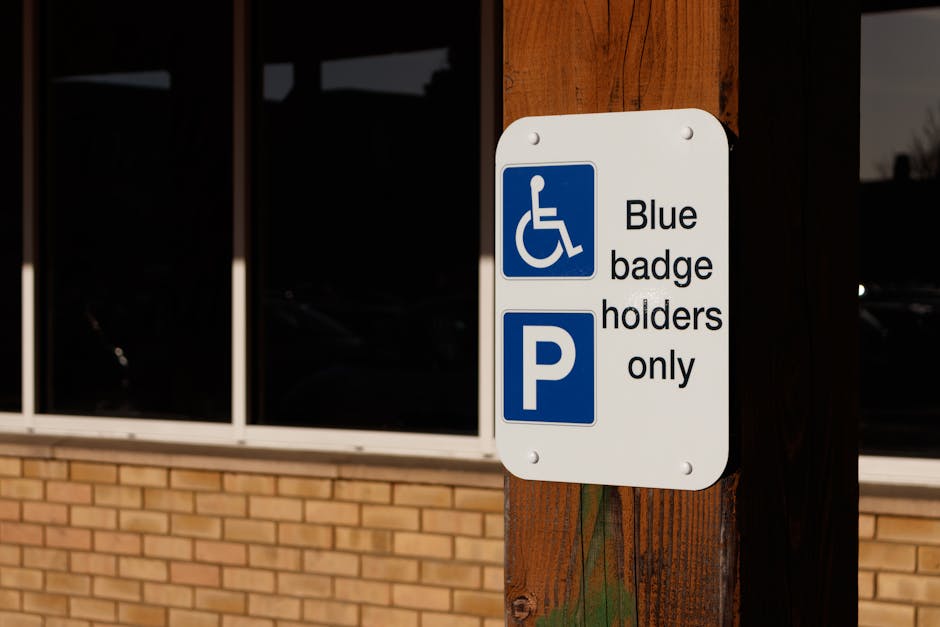
Parking permits and access on Westbourne Grove: mover fixes

Moving in Notting Hill is rarely just about boxes and bubble wrap. On Westbourne Grove, the real headache is often the street itself: permit rules, tight loading space, busy traffic, and the awkward moment when the van arrives but there is nowhere sensible to stop. That is exactly where Parking permits and access on Westbourne Grove: mover fixes come in. If you are planning a flat move, a small business relocation, or even a quick item pickup, the difference between a calm move and a stressful one is usually the parking and access plan.
This guide breaks down how mover fixes work in practical terms, what to check before moving day, and how to avoid the common problems that catch people out. You will also find a checklist, a comparison table, and a realistic example from a Westbourne Grove-style move. Let's make the whole thing feel less like a puzzle, because honestly, nobody wants to be standing in the road at 8:15 in the morning wondering where the van can legally go.
Why Parking permits and access on Westbourne Grove: mover fixes Matters
Westbourne Grove sits in one of those parts of London where a move can be perfectly organised on paper and still go sideways the moment a van pulls up. Parking may be limited, restrictions can vary from one stretch of road to another, and access for larger vehicles can be tight. Add neighbours, cyclists, deliveries, school runs, and the general London rhythm, and you have a moving day that needs more than a hopeful shrug.
That is why parking permits and access planning matter so much. A mover fix is not just a quick workaround; it is a practical setup that helps the vehicle load, unload, and leave without delay or avoidable risk. In plain English, it saves time, reduces stress, and lowers the chance of fines or complaints.
There is also the human side. On the day, every extra step feels bigger than it is. Carrying a wardrobe down stairs is one thing; carrying it an extra forty metres because the van cannot legally stop is another. And when rain starts, which London likes to do just to keep everyone humble, that extra distance suddenly feels endless.
Expert summary: On Westbourne Grove, the best mover fixes are the ones planned before move day, not improvised outside the front door. Parking, access, and timing should be treated as one job, not three separate headaches.
For readers who want a wider view of the business behind the service, the company's about us page is a useful place to understand its local approach, while health and safety guidance helps frame why careful loading, parking, and access planning matter in everyday operations.
How Parking permits and access on Westbourne Grove: mover fixes Works
In practice, a mover fix is a way of matching the moving vehicle, the street conditions, and the permit or parking rules so the job can happen smoothly. It may involve confirming a loading bay, checking waiting restrictions, arranging a permit where needed, or choosing a smaller vehicle that can access the street more easily.
Here is the basic flow most people follow:
- Check the street conditions early. Look at the exact section of Westbourne Grove, not just the postcode. Restrictions can change within short distances.
- Confirm the type of vehicle. A small van, Luton van, or larger removal vehicle each has different access needs.
- Match the permit or parking arrangement. If parking needs to be controlled, the plan should fit the move times and legal restrictions.
- Build in load and unload time. Moving always takes longer than you think. Always. Especially the one sofa that refuses to turn.
- Keep the route clear. Think about stairs, front steps, narrow hallways, lift access, and any shared entrances.
Some movers treat access as a side issue. That is a mistake. On a dense London street, access is part of the job specification. If you get it wrong, the cost is not just financial. It is time, energy, neighbour goodwill, and sometimes the safety of the crew and your belongings.
If your move needs secure short-term storage as part of the plan, it can help to review pricing and quotes early so you can compare options sensibly rather than making a rushed decision the night before.
Key Benefits and Practical Advantages
The real advantage of sorting permits and access properly is that the move becomes predictable. That sounds boring, but boring is excellent on moving day.
- Less delay: The van can stop in the right place, so loading and unloading happen without constant repositioning.
- Lower risk of fines or disputes: You avoid illegal parking, blocked access, or awkward conversations with enforcement officers.
- Better handling of fragile items: The shorter the carry from van to door, the lower the chance of knocks and scrapes.
- Less physical strain: Fewer long carries mean less fatigue for everyone involved.
- Cleaner scheduling: When the access plan is clear, other parts of the move stay on track too.
- Better neighbour relations: Nobody enjoys a removal truck blocking a narrow entrance for longer than necessary.
There is also a hidden benefit: confidence. People move better when they are not second-guessing the parking plan every five minutes. That calm, organised feeling matters more than many realise. A rushed move makes people sloppy, and sloppy moves are where the damage tends to happen.
For general service standards and what to expect from a provider, the terms and conditions can be useful reading before you commit to anything important, especially if your move involves timing constraints or service-specific arrangements.
Who This Is For and When It Makes Sense
This topic is for anyone moving on or near Westbourne Grove who needs a vehicle to stop legally and sensibly. That includes:
- tenants moving in or out of flats
- homeowners relocating within the area
- landlords handling end-of-tenancy turnarounds
- students or young professionals with compact but awkward loads
- small businesses moving stock, furniture, or equipment
- people using storage as part of a staged move
It makes sense whenever the move involves a street with restrictions, a narrow frontage, limited waiting space, or a vehicle that cannot simply park anywhere. In other words, most London moves.
If your move is tiny, you may still need a permit or a timed parking plan. If it is larger, the issue becomes much more serious because the margin for error shrinks. One missed detail can ripple through the entire day. A fifteen-minute delay becomes an hour. A small loading mistake becomes a blocked route. Westbourne Grove is not the place to assume it will all sort itself out.
For people comparing different service journeys, it can help to understand the company background through the about us page and then decide whether the approach feels suitably local and practical for a street-level move.
Step-by-Step Guidance
Here is a clear way to handle parking permits and access on Westbourne Grove without turning the whole thing into a mini crisis.
1. Map the exact loading point
Do not rely on the general road name alone. Identify the precise entrance, frontage, or mews access point you will use. A move around the corner can be easier than the one directly outside the building, depending on the street layout.
2. Check vehicle size against the route
Some roads look accessible until a larger van tries to swing in. Think about turn radius, low trees, parked cars, overhanging signs, and whether there is room to position the rear doors safely.
3. Confirm the parking arrangement in advance
If a permit, exemption, or timed loading slot is needed, sort that before moving day. Do not leave it to a hopeful early-morning phone call. That way lies pain. And coffee. Mostly pain.
4. Build a realistic timeline
Include buffers for traffic, stairwells, lift waits, and the inevitable one-item delay. A narrow hallway is never as fast as you think it will be.
5. Prepare the property
Protect flooring, remove obstacles, and keep key items grouped together. If the building has a communal entrance, let residents know what will happen so the day feels coordinated rather than chaotic.
6. Keep essentials separate
Put documents, keys, phones, chargers, medication, and basic cleaning supplies somewhere you can reach them quickly. Trust me, you do not want to be hunting for the kettle box at the exact wrong time.
7. Review the finish and exit plan
When unloading is done, check whether the vehicle can leave without having to reverse into a busy flow of traffic or sit awkwardly in place. The end of the move matters too.
If you need to combine the move with temporary storage, the insurance and safety information is worth reviewing so you understand how belongings are handled and protected as part of a broader moving plan.
Expert Tips for Better Results
Most access problems are not dramatic. They are small, avoidable, and annoyingly ordinary. That means they are fixable with a bit of care.
- Choose the quietest slot of the day if you can. London traffic is not mysterious; it is just busy, and then busier than expected.
- Use the smallest suitable vehicle. Bigger is not always better. Sometimes a smaller van saves half the stress.
- Confirm building rules as well as street rules. A permit may solve the road issue, but the building may still have access windows, lift booking rules, or porter instructions.
- Keep communication open. The driver, the person at the property, and anyone helping with the move should know the plan.
- Have a backup stop point. If the preferred location is unavailable, know the next best option before the van is already there.
- Use storage strategically. Staging part of the move can reduce pressure if the access window is tight.
A small but useful habit: take a few photos of the frontage, entrance, and approach route before moving day. It helps the team visualise the setup, and it can save a lot of back-and-forth later. Not glamorous, but effective.
For payment-related planning, especially if you are comparing a moving and storage package, payment and security information can give reassurance about how transactions are handled.
Common Mistakes to Avoid
Even organised people make these errors. It happens. Moving day has a way of making everyone a bit overconfident at the wrong time.
- Assuming the same rules apply along the whole street. They often do not.
- Booking a van before checking access. This is the classic backwards move.
- Forgetting about height, width, and turning space. A street can be legal but still impractical.
- Underestimating loading time. The final box is rarely the final box.
- Leaving permit details until the morning of the move. A recipe for stress, if we are honest.
- Blocking neighbours or entrances longer than necessary. This creates friction and can sometimes create complaints.
One especially common issue is poor coordination between storage and moving. If boxes are going into storage first, then coming back later, the access plan needs to work twice, not once. That extra detail catches a lot of people out.
Tools, Resources and Recommendations
You do not need a giant toolkit, but a few simple things make the process much smoother.
- Measuring tape: Useful for checking furniture, stair widths, and door frames.
- Phone camera: Handy for documenting access points, parking bays, or awkward corners.
- Basic labels: Clear labels reduce time spent searching for the right box at the wrong moment.
- Protective covers and blankets: Essential for tight hallways and narrow entrances.
- Checklist on paper or phone: Never rely on memory alone when the day is moving quickly.
For people who need a quote before deciding how to stage the move, pricing and quotes is the most practical place to start. If you still have questions after that, contact us is the sensible next step rather than guessing your way through parking arrangements and hoping for the best.
If you also care about the wider standards of the business you are dealing with, the pages on recycling and sustainability, privacy policy, and accessibility statement can help you understand the service ethos and how the company handles everyday responsibilities.
Law, Compliance, Standards, or Best Practice
This is the part people sometimes skip, then regret later. Parking and access on a London street are not just convenience matters; they are also about operating within local restrictions, respecting property rules, and avoiding unsafe loading practices.
While the exact permit process can vary by borough and location, the best-practice approach is consistent:
- check the current local parking restrictions for the specific frontage or bay
- allow enough time for loading without obstructing traffic
- avoid blocking driveways, emergency access, or entrances
- make sure the vehicle is suitable for the road and the property
- protect people first, then property, then schedule
If you are using a removal or storage provider, they should also have clear procedures around handling, safety, and customer communication. That does not mean every detail is perfect every time, of course, but the process should be sensible and transparent. If you want to understand broader service commitments, the terms and conditions and health and safety policy are the most relevant policy pages to read.
Best practice on Westbourne Grove is straightforward: plan access early, confirm restrictions before the van is booked, and treat the road like a shared space, not a private loading zone. That mindset avoids most problems before they happen.
Options, Methods, or Comparison Table
There is more than one way to solve an access problem. The right choice depends on the property, vehicle size, timing, and how much you want to move in one go.
| Method | Best for | Pros | Trade-offs |
|---|---|---|---|
| Direct roadside loading | Short moves, quick loads, lighter items | Fastest if parking is available nearby | Can be difficult on busy streets and may be time-limited |
| Pre-arranged permit or controlled stop | Moves needing a defined bay or access window | More certainty, less improvisation | Requires planning and confirmation in advance |
| Smaller vehicle plus multiple runs | Narrow access or restricted streets | Easier positioning, better fit on tight roads | May take longer overall |
| Storage-first staging | Complex moves, refurbishments, phased relocations | Reduces pressure on moving day | Requires additional coordination and cost planning |
In many Westbourne Grove situations, the smartest option is not the biggest one, but the least disruptive one. A slightly smaller van and a more careful timetable often outperform a grand, overambitious setup. It sounds simple because it is.
Case Study or Real-World Example
Picture a typical Westbourne Grove move: a two-bedroom flat on an upper floor, a narrow entrance, and a van arriving in the morning when the road is already active with deliveries and passing traffic. The first instinct might be to stop directly outside and start carrying. In reality, that could mean repeated repositioning and a lot of wasted time.
A better approach is to check the access point the day before, confirm the best stopping position, and coordinate the arrival so the loading team is ready at the exact time the vehicle can be used. In one realistic scenario, the team split the move into two phases: fragile items and essentials first, then bulkier furniture once the access route had been cleared. That kept the hallways calmer, reduced the chance of damage, and meant the van spent less time standing in the road.
Nothing dramatic happened. Which, frankly, is the point.
The move felt almost uneventful to the people involved, and that is usually the sign of good access planning. No shouting, no last-minute parking roulette, no one balancing a lamp while trying to negotiate with the traffic around them. Just a sensible process and a smoother day.
Practical Checklist
Use this checklist before moving day. It is basic, but basics are where most wins live.
- Confirm the exact property entrance and loading point
- Check the parking restrictions for that exact stretch of road
- Choose a vehicle size that suits the access route
- Agree the arrival window and loading time
- Notify residents, building management, or neighbours if needed
- Protect floors, walls, and tight corners inside the property
- Keep essentials separated from bulk items
- Prepare backup access or parking options
- Review policy pages if you are using a provider
- Keep contact details handy for the moving day team
And one small but useful extra: carry a couple of spare bags or boxes. They always come in handy. Always.
Conclusion
Parking permits and access on Westbourne Grove are not a side issue. They are the difference between a move that feels controlled and one that turns into a chain of small, expensive delays. If you treat the street, the permit rules, and the vehicle plan as one joined-up task, the whole day becomes more manageable.
The best mover fixes are practical, not flashy: the right vehicle, the right timing, the right stopping point, and enough preparation to stop avoidable problems before they start. That is the formula. Simple, but not always easy to do without a bit of local know-how.
If you are planning a move and want to compare options calmly, now is the time to get the details lined up rather than leaving them to chance.
Get a free quote today and see how much you can save.
Frequently Asked Questions
Do I need a parking permit to move on Westbourne Grove?
It depends on the exact location, the day, the time, and the type of vehicle. Some moves can work with controlled stopping or short loading periods, while others need a more formal parking arrangement. The safest approach is to check the exact street restrictions before booking the van.
What is a mover fix in practical terms?
A mover fix is a practical access solution that helps the move happen safely and legally. That might mean a permit, a smaller vehicle, a revised loading plan, or a different stop point that suits the street better.
Can a large van access Westbourne Grove easily?
Not always. Larger vans can be awkward on streets with tight turning space, active traffic, or limited legal stopping points. In some cases, a smaller vehicle is the better option because it reduces delays and makes loading more manageable.
How far in advance should I sort parking and access?
As early as you can. A few days may be enough for a simple move, but more complex jobs benefit from earlier planning. The earlier you confirm the access details, the fewer surprises you will face later.
What happens if the van cannot stop outside the property?
You may need a nearby loading point, a different vehicle size, or a revised schedule. It is much better to have a backup plan than to improvise on the pavement while the clock is ticking.
Are storage and access planning linked?
Very much so. If part of your move goes into storage, then the parking and access plan needs to work for both drop-off and collection. That extra layer is easy to miss, but it matters.
How do I reduce the risk of damage during a tight access move?
Keep the carry distance short where possible, protect walls and floors, and make sure the team knows the route in advance. Clear communication and good packing make a bigger difference than people expect.
Is it better to use a smaller van for Westbourne Grove?
Often, yes. A smaller van can be easier to position and may fit better into restricted streets. The ideal choice depends on the load, but smaller is frequently more practical in dense London areas.
What should I check in a provider's policy pages?
Look for clear information about safety, payment, privacy, terms, and how complaints are handled. Those pages help you understand how the provider works and what you can expect if anything needs clarification.
How do I know if the move will need staged access?
If the property has narrow hallways, upper floors, shared entrances, or limited stopping space, staged access may be sensible. It is also worth considering if the move includes fragile items, storage, or multiple delivery points.
Can I organise the move myself and just book transport?
Yes, many people do. But on a street like Westbourne Grove, it is wise to think carefully about the parking and access side before you commit. DIY can work well when the details are properly mapped out.
What is the most common mistake people make?
They assume the road will be easy to deal with on the day. It sounds harmless, but that one assumption causes a surprising amount of trouble. Access planning is the bit that turns a rushed move into a smooth one.